
Does Coffee Affect Pregnancy Chances? New Insights from Harvard
When we think about infertility treatment, many people imagine the woman bearing most of the effort.
But in reality, fertility is a journey that couples undertake together.
As an obstetrician-gynecologist, I see many patients facing these challenges.
In fact, my own wife and I struggled to conceive, and she attended a fertility clinic.
There’s absolutely no shame in this, and I believe society should become more open and supportive of men actively participating in fertility efforts.
A recent study from Harvard T.H. Chan School of Public Health sheds light on an intriguing question:
Could a man’s usual beverage choices affect the chances of having a baby?
- Study Overview: Beverage Intake and Assisted Reproduction Outcomes
- Key Findings: Coffee, Tea, and Liquor Linked to Lower Live Birth Rates
- Beer Intake Was Associated with Higher Live Birth Rates
- Why Does This Matter Even When Semen Looks Normal?
- From Doctor to Husband: A Personal Message
- Final Thoughts
- Reference
Study Overview: Beverage Intake and Assisted Reproduction Outcomes
Published in March 2025 in the journal Andrology, this study examined 343 men and their partners undergoing assisted reproductive technology (ART) procedures—including intrauterine insemination (IUI) and in vitro fertilization (IVF).
The researchers analyzed 714 ART cycles and correlated the men’s preconception beverage consumption with outcomes such as fertilization, implantation, clinical pregnancy, pregnancy loss, and live birth rates.
The beverages studied included:
- Caffeinated drinks (coffee, tea)
- Alcoholic drinks (beer, liquor)
- Sugar-sweetened beverages
- Artificially sweetened beverages
Key Findings: Coffee, Tea, and Liquor Linked to Lower Live Birth Rates
Interestingly, overall semen quality was not significantly affected by beverage intake.
However, when looking at live birth rates, a different picture emerged:
- Coffee (with caffeine):
- Lowest intake group: 49% live birth rate (95% CI: 38%–61%)
- Highest intake group: 33% live birth rate (95% CI: 24%–43%)
- Tea (with caffeine):
- Lowest intake group: 49% (95% CI: 33%–51%)
- Highest intake group: 31% (95% CI: 22%–41%)
- Liquor:
- Lowest intake group: 45% (95% CI: 37%–53%)
- Highest intake group: 32% (95% CI: 25%–41%)
What is a 95% confidence interval (CI)?
It means that if this study were repeated many times, 95% of the results would fall within this range. Narrower intervals indicate more precise estimates.
Beer Intake Was Associated with Higher Live Birth Rates
- Beer:
- Lowest intake group: 32% live birth rate (95% CI: 23%–42%)
- Highest intake group: 51% live birth rate (95% CI: 39%–62%)
Beer contains antioxidants and vitamins that may positively influence fertility, possibly explaining this association.
Why Does This Matter Even When Semen Looks Normal?
Even if semen analysis appears normal under the microscope, factors like DNA fragmentation, oxidative stress, and embryo development after implantation can affect pregnancy success.
Certain beverage components may influence these subtle but critical factors.
From Doctor to Husband: A Personal Message
This research reminds us that what men consume can impact fertility treatment outcomes.
But more importantly, I want to emphasize:
Infertility is not just a woman’s issue—it’s a shared journey for couples.
My wife and I faced struggles in conceiving, and it was only by supporting each other that we moved forward.
Fertility challenges are tough, but facing them together makes the path more hopeful.
A Little Luxury for Couples in the Journey
As a coffee lover myself, telling men to cut back feels like a challenge.
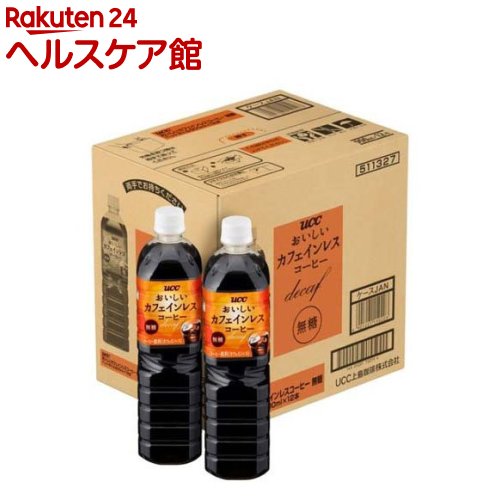
That’s why during my wife’s pregnancy, we chose UCC’s decaffeinated coffee. It’s affordable, delicious, and even now, my wife enjoys a cup before bedtime.
For couples navigating fertility treatment, sharing these small moments of comfort can be a meaningful gesture.

Practical Tips for Men Supporting Fertility
- Limit caffeinated coffee and tea to moderate amounts
- Avoid excessive liquor intake
- Moderate beer consumption may have benefits, but avoid overdoing it
- Support your partner emotionally and attend medical appointments together
- Consider lifestyle factors like diet, sleep, and stress reduction
Final Thoughts
Infertility treatment can be physically and emotionally exhausting.
Yet even simple changes—like choosing decaf coffee—might contribute to a better outcome.
Remember, you’re not alone. Couples supporting each other can face the journey with strength and hope.
Reference
Salas-Huetos A, et al. The association of men’s beverage intake with semen quality and assisted reproduction outcomes in patients undergoing fertility treatment. Andrology. 2024. DOI: 10.1111/andr.13795


コメント